Training Tip: Yin Yoga Sequence for Freedivers — Open Your Hips, Chest, and Mind
A dedicated yin yoga practice targets the hip flexors, thoracic spine, and chest — three areas that directly determine how efficiently and deeply you can freedive. This 40-minute sequence works on all three.
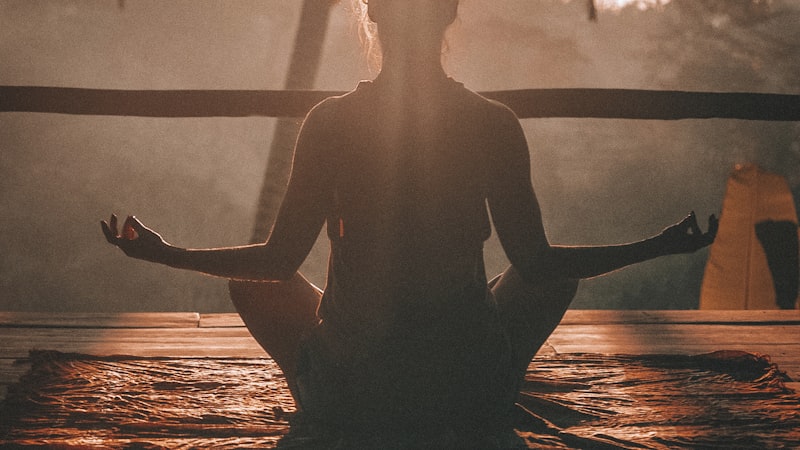
Why Yin Yoga is Particularly Valuable for Freedivers
Most fitness training targets muscle tissue. Yin yoga is different — it focuses on the deeper connective tissues: fascia, ligaments, tendons, and joint capsules. Poses are held for 3–5 minutes each, long enough for these dense tissues to begin releasing.
For freedivers, three areas of flexibility have a direct performance payoff:
- Hip flexors (psoas, iliacus, rectus femoris): These muscles run along the front of the hip and are chronically tight in people who sit for long periods. Tight hip flexors create a forward tilt in the pelvis during a monofin kick, which disrupts the straight body line needed for low-drag descent and ascent.
- Thoracic spine mobility: The mid-back's ability to extend and rotate affects how straight your body is in the water. Stiff thoracic vertebrae create a hump that raises drag.
- Chest and intercostal flexibility: The ability to fully pack the lungs — important for deep dives — depends partly on how much the rib cage can expand. Yin poses that open the chest and separate the ribs increase the range available for full inhalation.
The Sequence (approx. 40 minutes)
1. Butterfly / Bound Angle — 4 min
Sit on the floor with the soles of your feet together, knees dropped out to the sides. Fold forward from the hips, letting your spine round naturally. Rest your forearms on the floor if possible. This pose opens the inner groin and hip adductors. Beginner: Use a folded blanket under the hips to reduce lower back strain. Advanced: Place a block under the forehead and deepen the forward fold.
2. Dragon / Low Lunge — 3 min each side
Step one foot forward into a deep lunge, back knee on the mat. Sink the hips down and forward. This is the primary hip flexor pose — you should feel it in the front of the back hip. Beginner: Place hands on thigh instead of floor. Advanced: Lift the back knee, deepen the lunge, or add a quad stretch by pulling the back foot toward the glute.
3. Melting Heart (Anahatasana) — 4 min
Come to tabletop (hands and knees). Walk your hands forward, dropping your chest toward the floor while keeping your hips over your knees. Your arms are extended, chest melts down, chin or forehead rests on the mat. This deeply opens the thoracic spine into extension and stretches the pectoral and intercostal muscles. Freedivers who lung-pack will notice significantly more range after this pose. Beginner: Keep arms bent or use a bolster under the chest. Advanced: Walk hands further forward and let chest drop toward the floor.
4. Caterpillar / Seated Forward Fold — 4 min
Sit with legs straight in front of you. Fold forward from the hips, letting the spine round. Reach toward your feet without forcing. This stretches the hamstrings and decompresses the lumbar vertebrae — useful after days of wearing a wetsuit that restricts movement. Beginner: Bend knees slightly. Advanced: Flex toes toward you and reach past the feet.
5. Dragonfly / Straddle — 4 min
Open your legs wide into a V shape on the floor. Fold forward from the hips. This stretches the inner groin, adductors, and spine simultaneously, and is excellent preparation for the hip abduction used in bifin technique. Beginner: Narrow the straddle. Advanced: Walk hands forward until your chest approaches the floor.
6. Supported Fish — 5 min
Place a folded blanket, bolster, or rolled towel beneath your mid-back so your chest opens upward. Let your arms fall out to the sides, palms up. Your head can rest on another folded blanket. This is a restorative thoracic extension that gently opens the chest and diaphragm with zero muscular effort — important at the end of a session when the nervous system needs to reset. All levels: Adjust the height of the support for comfort. Too high creates pain; find a level that feels like a pleasant stretch.
7. Savasana — 5 min
Lie flat on your back, arms slightly out, eyes closed. Do nothing. This is essential — the connective tissues need time to consolidate the changes made during the session. If you rush out of a yin session, you lose a significant portion of the benefit. Use this time to practice nasal breathing and progressive muscle relaxation.
Precautions
- Mild discomfort is expected and appropriate; sharp or nerve pain means you've gone too far — back off immediately
- Never force a stretch; the key is patient gravity, not aggressive pushing
- Avoid this session within 3 hours of a dive — the connective tissue temporarily loosens, and you want to let it restabilize before physical exertion
- If you have known hip, knee, or lower back injuries, consult a physiotherapist before starting
When to Practice
Frequency: 2–3 sessions per week is optimal. Once daily is fine and won't over-stress the connective tissues. Best timing: Evening (after a training day) or as a standalone session on rest days. Avoid directly before intensive athletic effort.
댓글
댓글을 불러오는 중...